

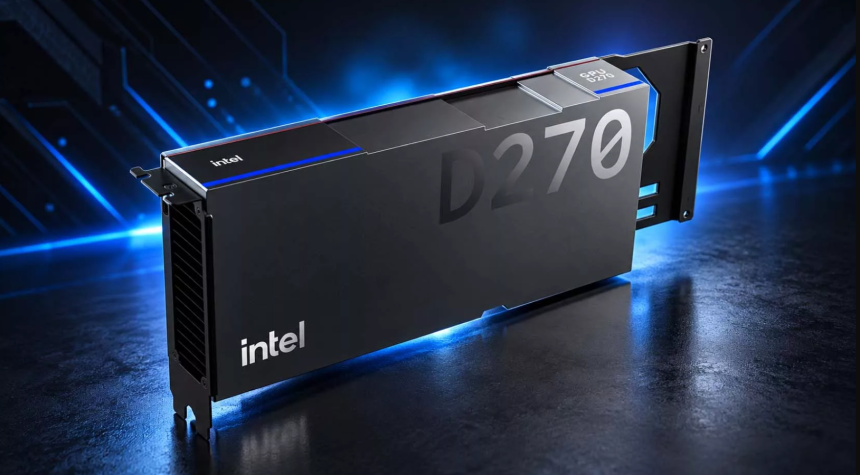
An Intel 480GB GPU sounds like a dream upgrade for anyone tired of running out of graphics memory. However, the newly detailed Intel GPU D-series serves a different audience: businesses running memory-intensive artificial intelligence workloads.
Previously known as Crescent Island, the accelerator supports configurations with up to 480GB of LPDDR5X memory. There is an important qualification: Intel’s own branded PCIe card has 160GB, while partner designs can reach the larger capacity.
That distinction changes how the headline should be understood. This is a platform supporting enormous memory configurations, rather than a standard consumer graphics card arriving with 480GB.
What is Intel’s 480GB GPU designed to do?
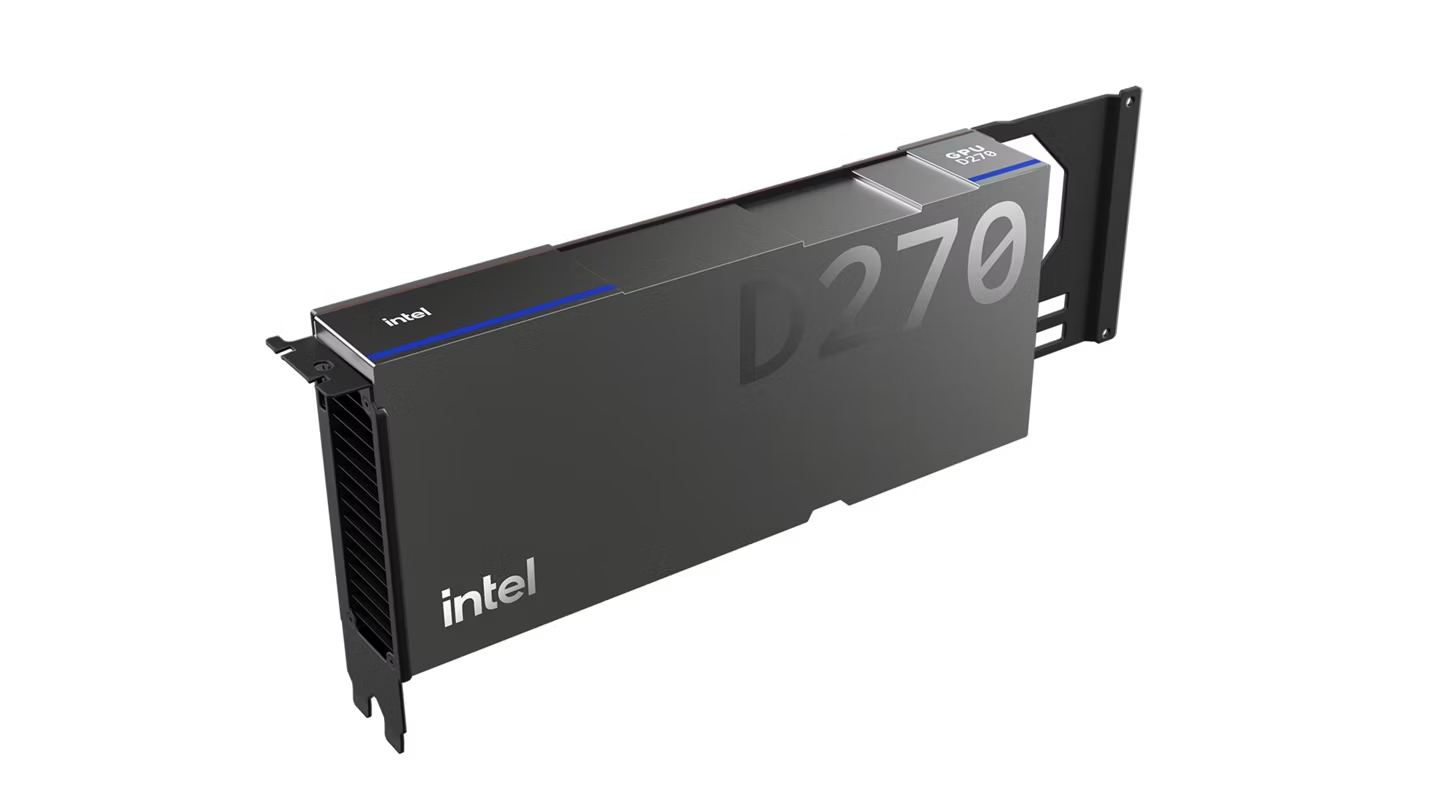
Intel positions the D-series around AI inference, the work involved in running trained models. Its stated targets include large language models, long-context processing, and services handling concurrent AI requests.
The design uses Intel’s Xe3P architecture, with advertised specifications reaching 1.5TB/s of memory bandwidth and 1.3 petaflops of FP8 compute within a 350W power envelope. These are manufacturer specifications, not independent performance measurements.
For readers comparing hardware, the intended workload matters more than the largest number on the specification sheet. An accelerator designed for a server has different priorities from a graphics card chosen to run games.
Intel 480GB GPU memory: What the specification means
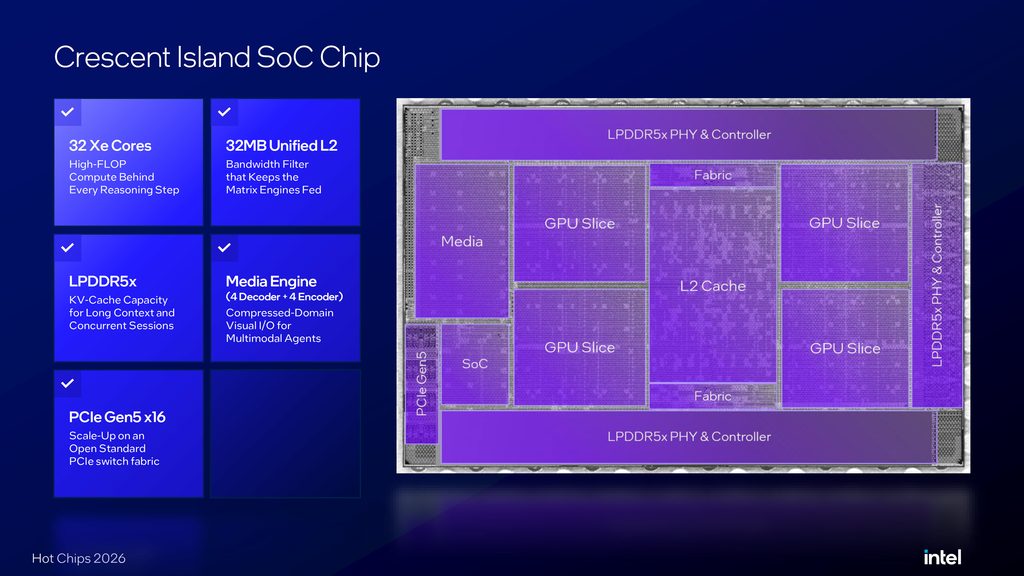
Capacity, bandwidth, and computing performance describe different parts of a device. A large memory allocation tells you how much information it can hold, but it does not establish how quickly a particular application will run.
Think of a purchasing decision as three separate questions:
- Can the workload fit within the available memory?
- Can the hardware move and process that information efficiently?
- Does the required software support the device properly?
The 480GB figure addresses only part of that assessment. It should not be read as a gaming benchmark or a direct comparison with desktop system RAM.
Why Intel chose a familiar server format
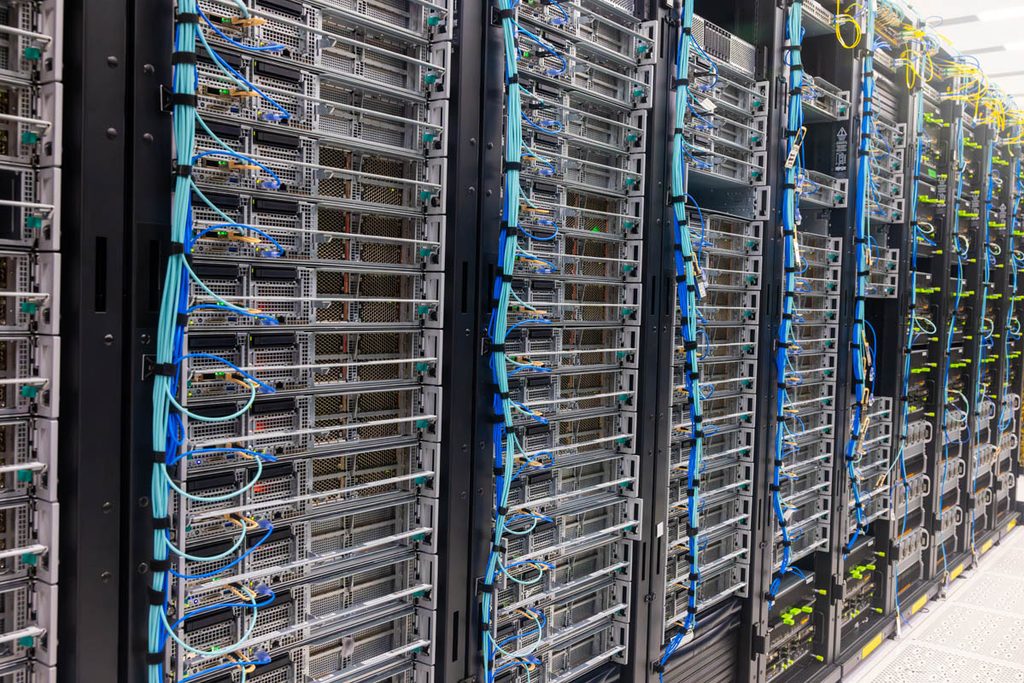
Official infrastructure illustration: Intel Corporation.
Intel describes the D-series as an air-cooled PCIe design intended to fit existing data-centre environments. The company also says customer sampling is underway.
For prospective customers, installation requirements belong alongside performance in the evaluation. A useful test would examine the complete setup, including supporting hardware, software configuration, power consumption, and sustained results.
That is why a headline specification cannot establish whether the product offers better value than an alternative.
Does this explain consumer RAM shortages?
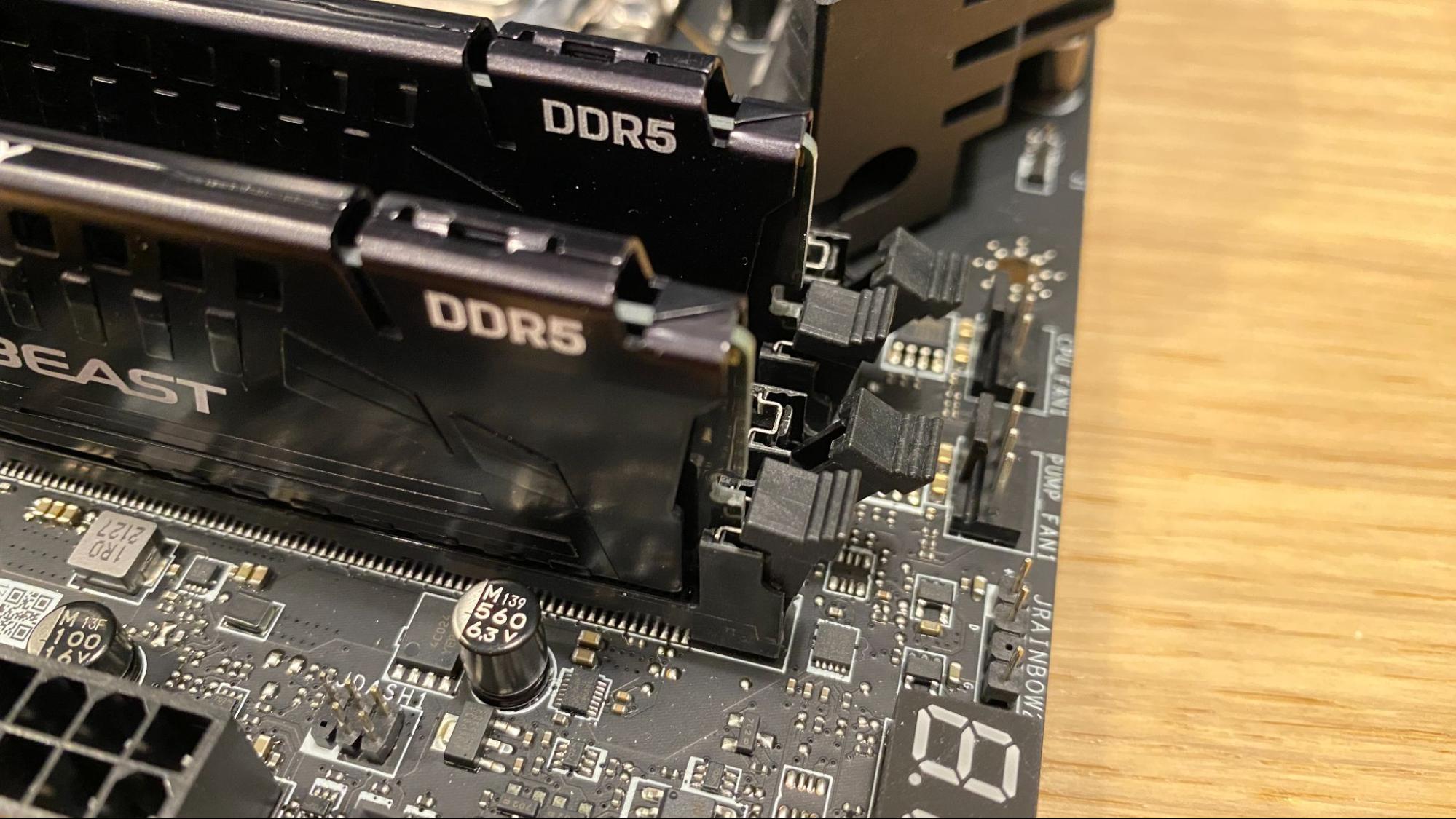
PC Gamer connects the announcement with concerns about consumer memory availability, arguing that AI hardware creates another destination for memory production.
That is a reasonable issue to investigate, but this announcement alone does not demonstrate how much the D-series affects retail RAM prices or stock.
Establishing that connection would require evidence about production volumes, manufacturing allocation, and demand across different memory products. One unusually large configuration cannot provide those answers by itself.
For a reader planning a PC upgrade, the practical approach is to judge the memory you need against actual local prices and availability.
What PC owners should take from the announcement
The interesting development is the emphasis on memory capacity for AI infrastructure. Intel is presenting a product whose usefulness depends on the models, services, and deployment conditions its customers need.
For gamers, this announcement does not provide evidence of a new desktop upgrade option or higher frame rates. For businesses, it introduces hardware that deserves workload-specific testing.
The questions to watch next are independent performance results, complete system costs, and the configurations customers can actually obtain. Those details will reveal more than the 480GB headline.